Italian at work: emails, meetings and the coffee break

How to write a work email in Italian, what to say in a meeting, how formal to be with colleagues, and the office small talk that actually matters.

· 3 min read

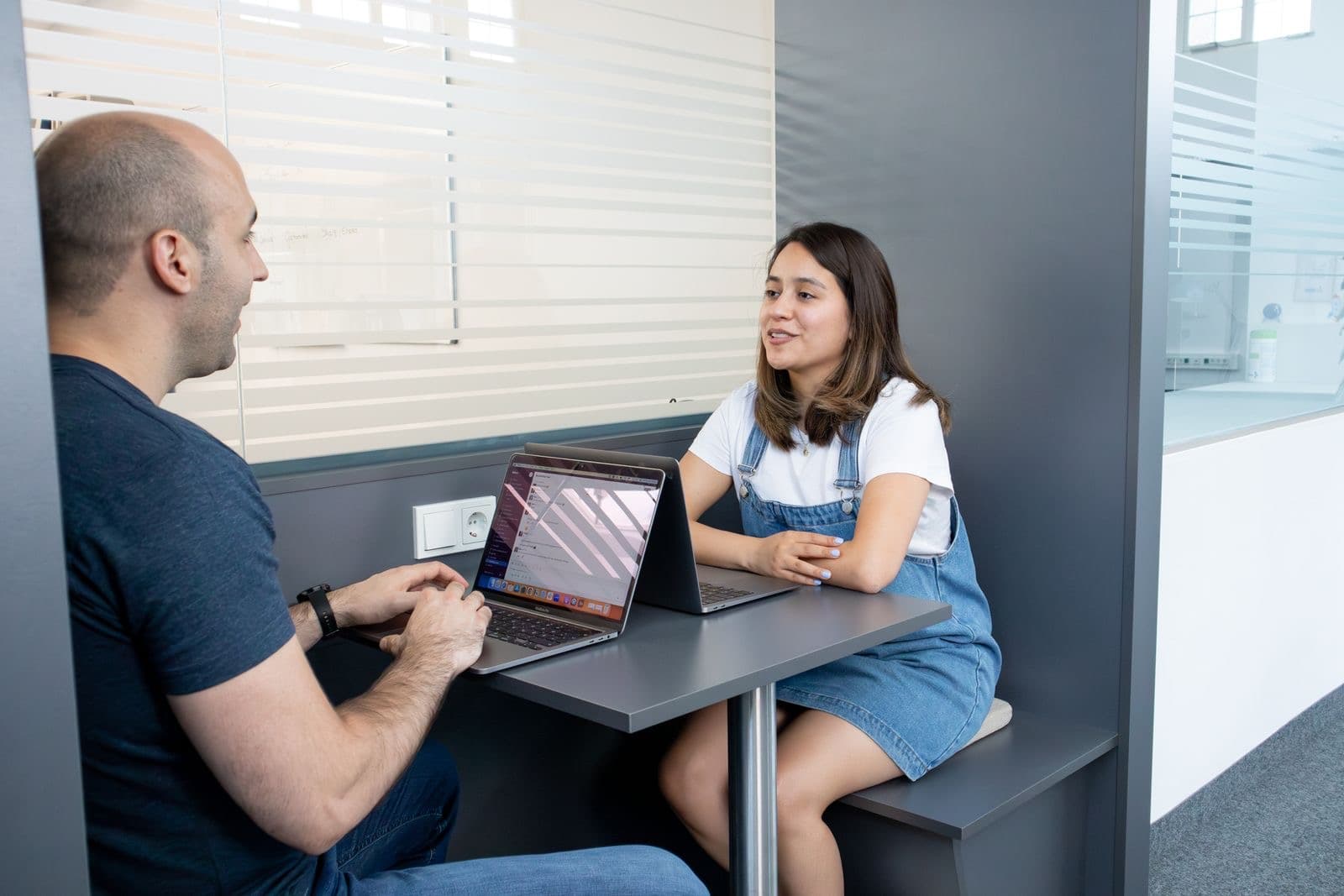
Two colleagues smiling and talking at their laptops in a modern office

Most people who move to Italy for work speak English in meetings and freeze at the coffee machine. The reverse is also common: fluent at lunch, lost in a formal email. This guide covers both ends: the written formulas nobody teaches you and the spoken habits that make an office run.

Tu or Lei: the first decision

Italian offices are less formal than their emails suggest. Colleagues use tu with each other from day one. With a manager, a client or someone clearly senior, start with Lei and the surname (dottor Ferri, signora Conti) and wait: the moment they say Diamoci del tu (let's use tu), switch. Being too formal is a small mistake; being too informal with a client is a bigger one.

The work email, formula by formula

Italian business emails are more formulaic than English ones. Use the formulas and they read as native.

PartFormalWith a colleague
OpeningGentile Dott.ssa Rossi, / Buongiorno,Ciao Marco, / Buongiorno Marco,
Why you writeLe scrivo in merito a…Ti scrivo per…
AttachingIn allegato trova il documento.Ti allego il file.
AskingLe chiedo gentilmente di…Mi mandi… quando puoi?
Waiting for a replyResto in attesa di un Suo riscontro.Fammi sapere.
ClosingCordiali saluti, / Distinti saluti,A presto, / Buona giornata,

Two details: capital Le, Suo in formal emails is old-fashioned but still common in Italy; and riscontro simply means reply. If in doubt, Cordiali saluti closes everything.

In a meeting

Italian meetings start late, run long and involve interruption; that is participation, not rudeness. Phrases that let you take part:

Posso aggiungere una cosa? Scusate, non ho capito l'ultimo punto. Potete ripetere? Secondo me dovremmo rimandare la decisione. Facciamo il punto: chi fa cosa entro venerdì?

Fare il punto (to sum up) and entro (by, for deadlines) are the two most useful work words in Italian. Rimandare means to postpone; anticipare to bring forward.

The words of the office

  • Riunione: meeting. Scadenza: deadline. Consegna: delivery of work.
  • Ferie: holidays. Permesso: hours off. Malattia: sick leave.
  • Busta paga: payslip. Tredicesima: the extra December salary.
  • Capo (boss) is informal; say il responsabile or la direttrice in front of them.
  • Smart working is the Italian word for remote work. Yes, in English.

The coffee break is a meeting

The real conversations happen at the machine or at the bar downstairs at 10:30. Nobody expects grammar there; they expect you to show up. Three lines carry you: Andiamo a prendere un caffè?, Com'è andato il weekend?, Che casino oggi, eh? (what a mess today). Say yes to the invitation even if you do not drink coffee: Io prendo un tè is fine.

Where lessons come in

Work Italian is the fastest kind to learn, because you hear the same fifty phrases every day. Bring a real email or a real meeting agenda to your tutor and rehearse it. Many of our students do exactly that in the trial lesson.

Frequently asked questions

Should I use 'tu' or 'Lei' with colleagues in Italy?

Colleagues at the same level use tu almost everywhere. With managers, clients and anyone older or senior, start with Lei and switch when they say 'diamoci del tu'.

How do I start a work email in Italian?

Formal: Gentile Dott.ssa Rossi, or Buongiorno, followed by the name. To a colleague: Ciao Marco, is fine. Avoid Caro/Cara in business unless you know the person well.

What does 'in cc' or 'in allegato' mean?

In allegato means attached. In cc means copied. Both appear in almost every Italian office email.

Living in Italian, every Wednesday

One real situation from life in Italy a week: the sentences you need, a practical tip and the podcast episode. Free, in English, one click to leave.

We use your address only for this newsletter. Privacy policy

Ready to say it out loud?

Your first lesson is a real lesson: 50 minutes, one-to-one, online.

Book your first lesson

Not sure of your level? Take the free test

Keep reading