Residenza: registering at the comune and why it matters

How to register your residence at the Italian town hall: the documents, the police check at your door, the certificates you will need, and the phrases.

· 3 min read

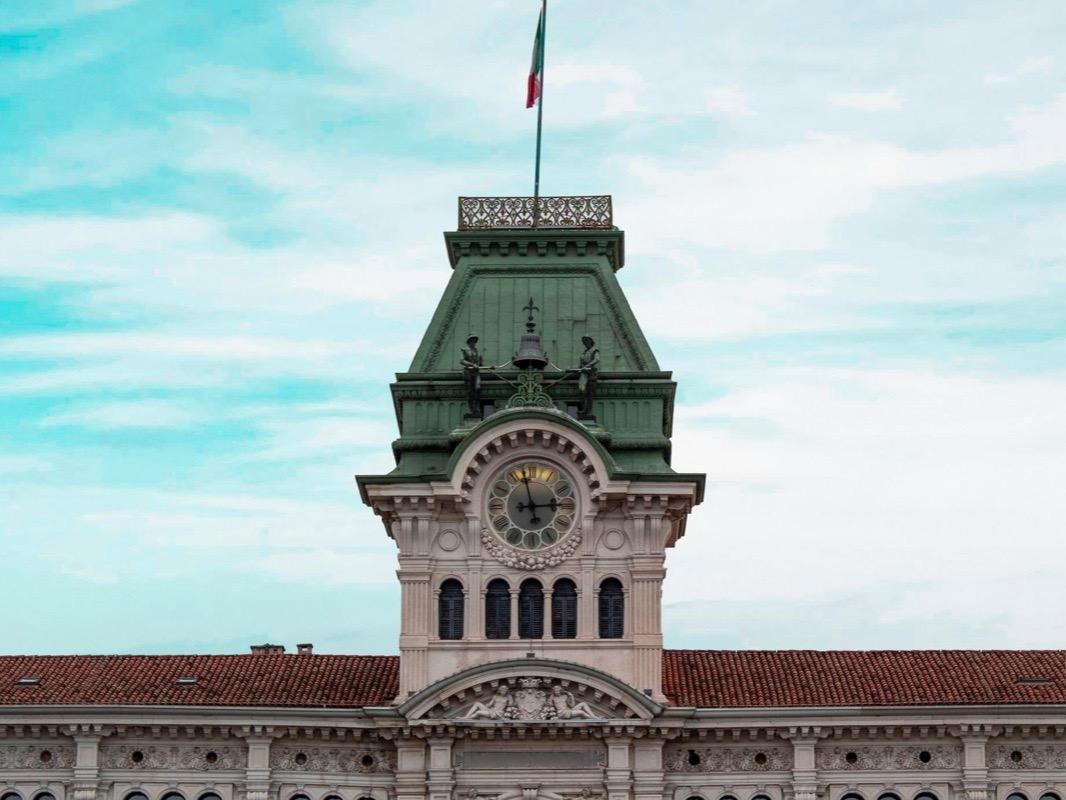
The town hall of Trieste with its clock tower and the Italian flag

Residenza is the registration of your address at the comune, the town hall. Nothing about it is difficult, and almost everything later depends on it: the family doctor, the ID card, the driving licence conversion, the tax discount on the rent, the citizenship clock. This is how to do it, and what to say at the Ufficio Anagrafe.

What you need first

  • A registered lease (or a declaration from the person hosting you) with your name on it.
  • Passport or EU ID card, codice fiscale (read how to get it if you have not yet).
  • Non-EU citizens: the permesso di soggiorno or the post office receipt of the application.
  • EU citizens: proof of work or study, or of enough means and health insurance.

Your name on the doorbell and the letterbox. Not a joke: the check depends on it.

At the Ufficio Anagrafe

Many comuni take the application online or by email (PEC); in person, book or take a number. The office is the Anagrafe or Servizi demografici.

Buongiorno, vorrei fare la richiesta di residenza. Mi sono trasferito in via Roma 12 il primo settembre. Ho il contratto di affitto registrato e il permesso di soggiorno.

The clerk will ask Chi abita con lei? (who lives with you?), Viene da un altro comune o dall'estero? (from another Italian town or from abroad?) and Ha un documento? You fill in the dichiarazione di residenza and receive a receipt. Legally, the residence starts on the day you apply.

The check at your door

Within 45 days the vigili urbani (municipal police) come to verify that you live there. They ring, ask your name, sometimes look inside for a second. Be reachable and answer the intercom:

Sì, sono io. Salga pure, terzo piano.

If they cannot find you twice, the application is rejected and you start again. If you are away a lot, tell the office when you apply: Lavoro fuori durante il giorno, posso lasciare un numero di telefono?

What you get afterwards

DocumentWhat it is for
Certificato di residenzaProof of address for banks, employers, schools
Stato di famigliaWho lives in your household; needed for family matters
Carta d'identitàThe Italian ID card, valid ID everywhere in Italy
Iscrizione al SSNWith the residence, you can choose a doctor at the ASL

Ask for certificates with Vorrei un certificato di residenza and, for most uses, add in carta semplice (without the tax stamp) or per uso … (for use with the school, the bank…). Many are now free to download from the national portal ANPR with a digital identity (SPID).

Changing address later

Moving within the same comune is a cambio di indirizzo; moving to another comune is a new residenza there. Both take the same form, the same check and the same sentence: Vorrei comunicare il cambio di residenza. Update your bank, employer, doctor and the questura yourself: the comune does not do it for you.

Do it early

People wait months to register because it feels optional. It is not, and it unlocks everything else. If the counter still scares you, run it once with a tutor: at Adesso Italian a first lesson can be exactly that, and here is how it works.

Frequently asked questions

Is residenza the same as permesso di soggiorno?

No. The permesso is the right to stay in Italy (non-EU citizens). The residenza is the registration of your address at the comune, which everyone living in Italy does, EU and non-EU alike.

Why does a police officer come to my house after I register?

The comune sends the vigili urbani to check that you actually live at the address. It is routine. Put your name on the doorbell and letterbox before you apply.

What is the carta d'identità and do I need it?

The Italian ID card, issued by the comune to residents, including foreigners. It is not compulsory for foreigners, but it makes every later procedure simpler and works as ID across Italy.

Living in Italian, every Wednesday

One real situation from life in Italy a week: the sentences you need, a practical tip and the podcast episode. Free, in English, one click to leave.

We use your address only for this newsletter. Privacy policy

Ready to say it out loud?

Your first lesson is a real lesson: 50 minutes, one-to-one, online.

Book your first lesson

Not sure of your level? Take the free test

Keep reading