The post office and deliveries in Italy: how they work

Poste Italiane, raccomandate, the yellow slip in your letterbox and the courier who calls: the Italian you need to send, receive and collect anything.

· 3 min read

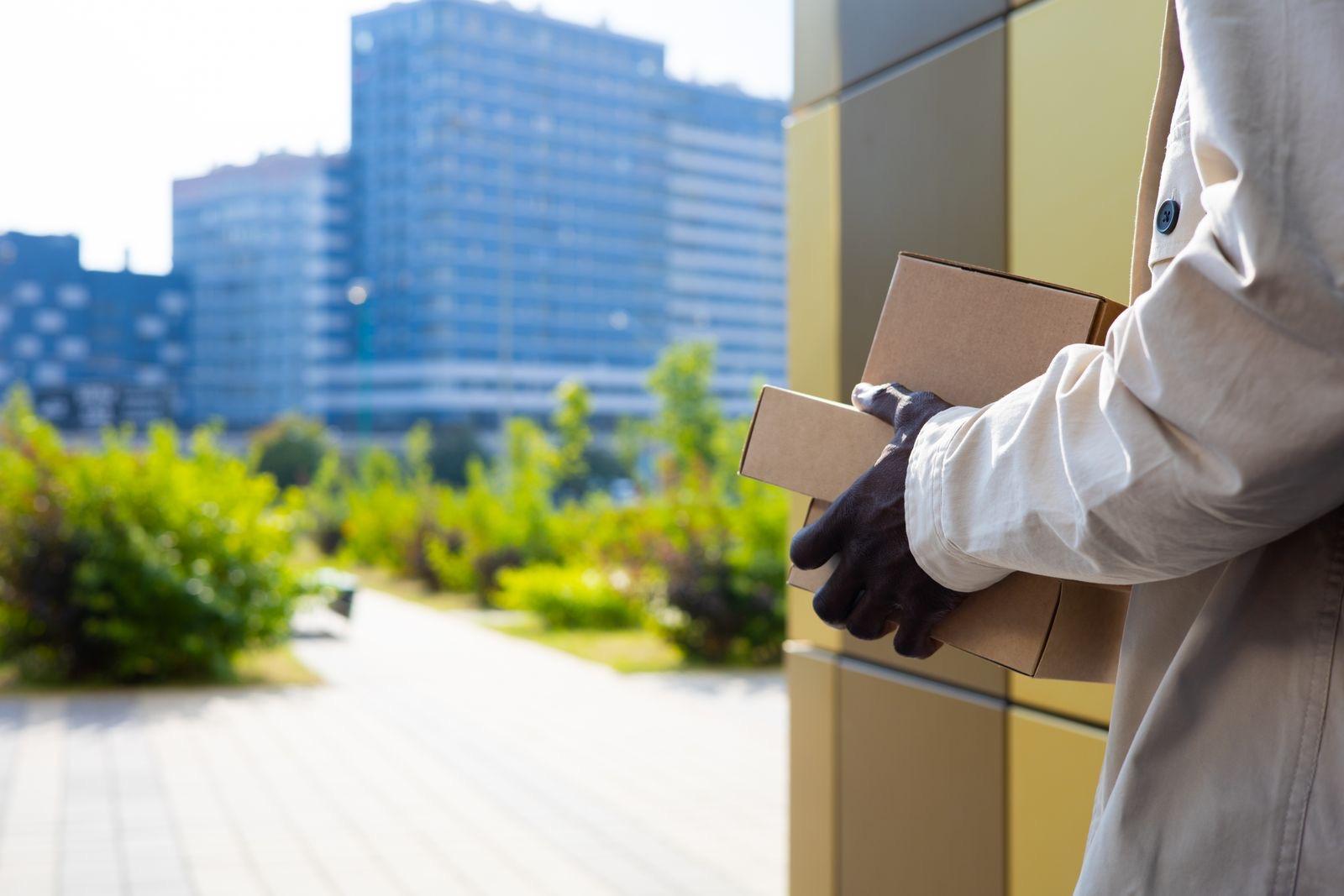
A courier carrying parcels along a city street

Half of Italian bureaucracy arrives by mail, and the other half needs a stamp from the post office. Add the couriers that call you at 8 a.m. and the yellow slip in the letterbox, and you have a small daily language test. This article gives you the answers.

Poste Italiane: more than mail

The post office (ufficio postale) sends letters and parcels, but it also pays bills, issues residence permit kits, sells prepaid cards and handles pensions. That is why the queue is long. Take a ticket from the machine: A for post, P for payments and financial services (the letters vary by office). Then wait for your number on the screen.

Sending something

Vorrei spedire questa lettera in Germania. Vorrei mandare un pacco negli Stati Uniti. Quanto costa? Posta prioritaria o raccomandata?

Posta prioritaria is normal mail; raccomandata is registered, with a signature; raccomandata con ricevuta di ritorno (or A/R) sends you proof of delivery, and is what landlords and lawyers use. For parcels, the clerk asks Cosa contiene? (what does it contain?) and Vuole l'assicurazione? (insurance?).

The yellow slip: avviso di giacenza

If nobody is home for a registered letter or a parcel, you find an avviso di giacenza in your letterbox: a slip saying the item is waiting (in giacenza) at a given office from a given date. Bring the slip and your ID:

Buongiorno, devo ritirare una raccomandata. Ecco l'avviso e il documento.

Somebody else can collect it with a delega (a signed authorisation) and a copy of your ID. Do not ignore the slip: registered letters from the tax office or a court count as delivered even if you never pick them up.

The courier who calls

Couriers (corrieri) phone or text before delivering. The call follows one script:

Buongiorno, sono il corriere, ho una consegna per lei. È in casa? Sì, sono a casa. Terzo piano, citofono Martin. Non ci sono. Può lasciarlo al portiere / al vicino / al punto di ritiro?

Useful words: consegna (delivery), ritiro (collection), punto di ritiro or locker (pickup point), tentativo di consegna (delivery attempt), firma (signature). If the tracking says in consegna, it is out for delivery today. If you want to sound like everyone else on the phone, how to answer the phone in Italian has the full call.

Paying a bollettino

The bollettino is the pre-printed payment slip attached to many bills (rent for some landlords, school fees, fines). Take it to the post office or a tabaccheria:

Vorrei pagare questo bollettino. Posso pagare con il bancomat?

Keep the stamped receipt: it is your proof of payment.

Words that appear on every envelope

  • Mittente: sender. Destinatario: addressee.
  • CAP: the postcode, five digits. Write it; it matters.
  • Presso (or c/o): care of, for someone else's address.
  • Interno: the flat number. Scala: staircase, in big buildings.
  • Fermo posta: hold at the post office, for people without a fixed address.

Practise the collection

Most newcomers dread the post office more than the questura. It is only a queue and three sentences. If you want to run through them first, ask for the raccomandata scene in your first lesson at Adesso Italian, or read how lessons work.

Frequently asked questions

What is a raccomandata?

Registered mail that must be signed for. Offices, banks and landlords use it for anything official. If you are out, you get a slip (avviso di giacenza) and collect it at the post office with your ID.

How long does the post office keep a parcel in Italy?

Usually 30 days for a raccomandata, less for parcels (check the slip). After that it goes back to the sender.

Can I pay bills at the post office in Italy?

Yes. The bollettino postale is paid at any post office, at many tabaccherie and in most banking apps.

Living in Italian, every Wednesday

One real situation from life in Italy a week: the sentences you need, a practical tip and the podcast episode. Free, in English, one click to leave.

We use your address only for this newsletter. Privacy policy

Ready to say it out loud?

Your first lesson is a real lesson: 50 minutes, one-to-one, online.

Book your first lesson

Not sure of your level? Take the free test

Keep reading